Jade Mountain and sister resort Anse Chastanet were conceived with a profound respect for their natural surroundings long before sustainability became an established principle of modern hospitality.
The two resorts are set within a 600-acre estate encompassing tropical forest, two beaches and an extraordinary marine environment within the Soufrière Marine Management Area. Our approach is practical and continually evolving: to conserve natural resources, protect surrounding terrestrial and marine ecosystems, source responsibly and carefully monitor the environmental impact of our operations.
We do not claim perfection. We remain committed to measuring our performance, strengthening our practices and identifying meaningful opportunities for improvement.
Architecture in Harmony with Nature
The architecture of Jade Mountain and Anse Chastanet was designed to work with the landscape and tropical climate rather than apart from them.
At Jade Mountain, the open-sided sanctuaries are naturally ventilated and have no in-room air-conditioning or televisions. At Anse Chastanet, most hillside accommodations were similarly designed to benefit from natural airflow, while air-conditioning is available in selected room categories.
Natural light is used extensively throughout both resorts, reducing the need for artificial lighting during the day. Existing vegetation and natural waterways are retained and protected wherever possible, helping to preserve habitat and reduce erosion and runoff.
Water Management – “Water is Life”
Water conservation and resilience are particularly important in a small-island environment.
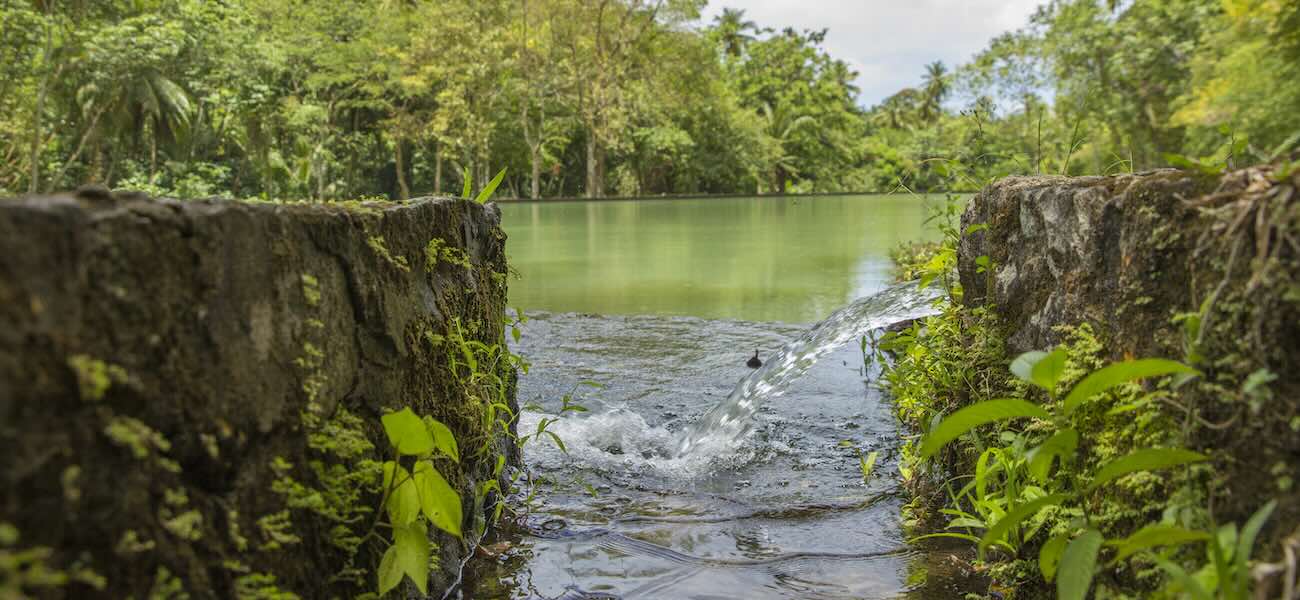
A historic 1.5-million-gallon reservoir in the Anse Mamin valley, dating from the 18th century, was restored to collect rainwater and river water. This water is treated through the resort’s freshwater treatment system, supplementing the public supply and reducing pressure on the surrounding community’s water resources.
Water consumption is monitored daily, helping our engineering team to identify leaks, unusual increases in usage and opportunities for greater efficiency.
Our water-management practices include:
- Rainwater collection and treatment
- Low-flow showerheads and low-flush toilets
- Optional towel and bed-linen reuse
- Treated wastewater reuse for irrigation
- Composting toilets in selected beach locations
- Avoiding unnecessary washing down of large areas
- Regular monitoring of water consumption and infrastructure
The resorts operate an on-site wastewater treatment system. Following treatment, the water passes through terraced reed beds, where a natural filtration process further polishes the effluent before it is stored and reused for irrigation.
Energy Management
Energy use is monitored as part of our daily operational management and longer-term sustainability planning.
The design of the resorts helps to reduce direct guest-room energy demand through natural ventilation and extensive use of daylight. At Jade Mountain, the absence of in-room air-conditioning and televisions further limits direct accommodation-related consumption.
Additional energy-management practices include:
- Preventive maintenance of equipment and utility systems
- Daily utility monitoring and monthly occupancy-adjusted reviews
- Extensive use of natural light during daylight hours
- Warm-coloured exterior lighting selected and positioned to reduce disturbance to wildlife
- Gravity-fed stages within the wastewater treatment system, reducing pumping requirements
- Regular servicing and maintenance of resort vehicles
- Consideration of fuel efficiency when vehicles are purchased, leased or rented
- Careful planning of transfers and tours to avoid unnecessary journeys
Saint Lucia’s electricity supply remains predominantly dependent upon fossil fuels. We therefore continue to focus on the areas of energy consumption that we can directly monitor, manage and improve.
Responsible Purchasing and Waste Reduction
Our first priority is to reduce waste at its source.
We favour bulk purchasing where practical, helping to reduce the volume of individual packaging entering the resorts. Refillable dispensers are used for selected guest and public-area amenities, and paper consumption is reduced through digital communication and operational controls.
Organic kitchen and garden waste is composted where appropriate, and usable materials are repurposed whenever possible. For example, towels that are no longer suitable for guest use may be altered locally into smaller cleaning and utility cloths.
Saint Lucia has limited downstream recycling infrastructure. We therefore work with available local recycling partners where practical, while continuing to place the greatest emphasis on avoiding unnecessary consumption and packaging in the first place.
Local and Estate-Grown Produce
Wherever seasonality, quality and availability allow, the resorts source fish, agricultural produce and other products from Saint Lucian suppliers and neighbouring communities.
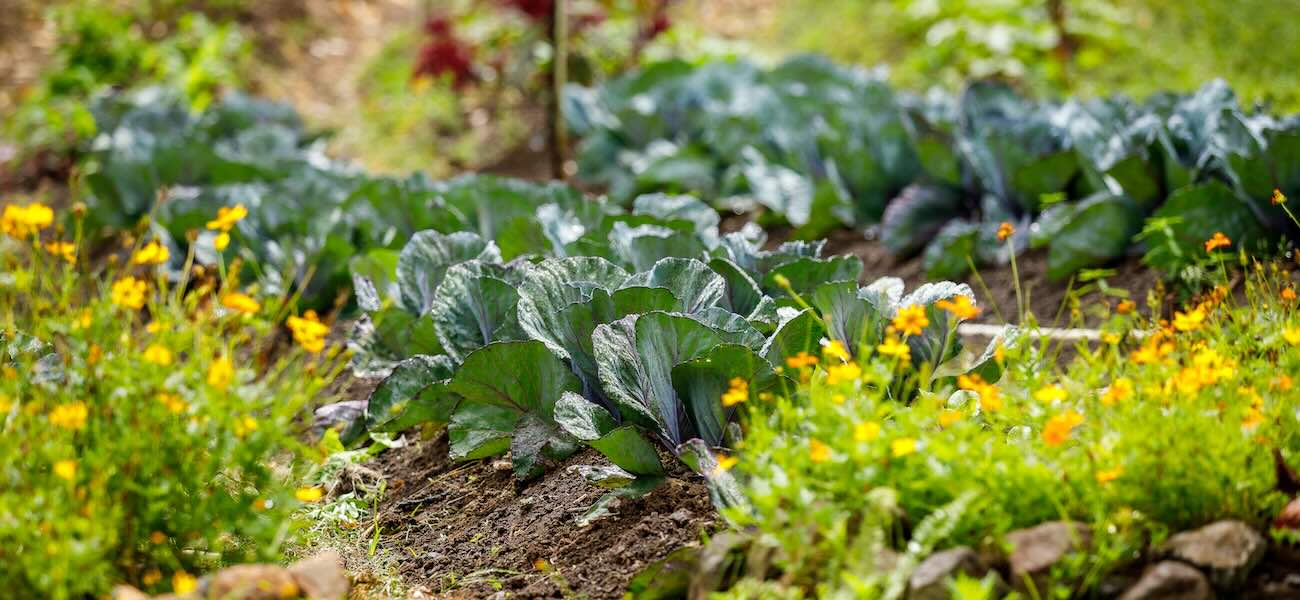
Our own Emerald Estate contributes organically grown fruits, vegetables, herbs, spices and cacao to the resorts’ kitchens and chocolate production. This supports a closer connection between the land and our culinary programme while helping to reduce reliance on imported ingredients.
Regenerative Agriculture at Emerald Estate
Wherever seasonality, quality and availability allow, the resorts source fish, agricultural produce and other products from Saint Lucian suppliers and neighbouring communities.
The resorts’ own Emerald Estate farm is guided by the principles of regenerative agriculture, with an emphasis on improving soil health, encouraging biodiversity and strengthening the long-term resilience of the land. Composting and the return of organic matter to the soil help support fertility, while diverse planting and careful land management create a healthier and more balanced growing environment.
Emerald Estate produces tropical fruits, vegetables, herbs and spices for the resorts’ kitchens, creating a direct connection between the land, the culinary programme and the guest experience.
Cacao is also grown and harvested on the estate before being transformed through the resorts’ chocolate programme into handcrafted estate chocolate and other cacao-based creations.
The farm is also home to beehives that support pollination across Emerald Estate and the surrounding landscape. Honey harvested from the hives is used by the resorts and is also available for guests to purchase.
Together, the cultivation of produce, cacao and honey demonstrates how regenerative agriculture can yield exceptional local ingredients while supporting healthier soils, pollinators, biodiversity and the continuing renewal of the land.
Protecting Saint Lucia’s Marine Environment
The coral reefs immediately offshore are among the estate’s greatest natural treasures.
Anse Chastanet played an instrumental role in the establishment of the Soufrière Marine Management Area, which introduced a system of marine reserves and other designated-use zones to protect the coastal environment while balancing conservation, fishing, tourism and community needs.
Through Scuba St. Lucia, our on-site dive operation, we support marine education, reef monitoring and practical conservation activities.
Coral Nurseries and Reef Restoration
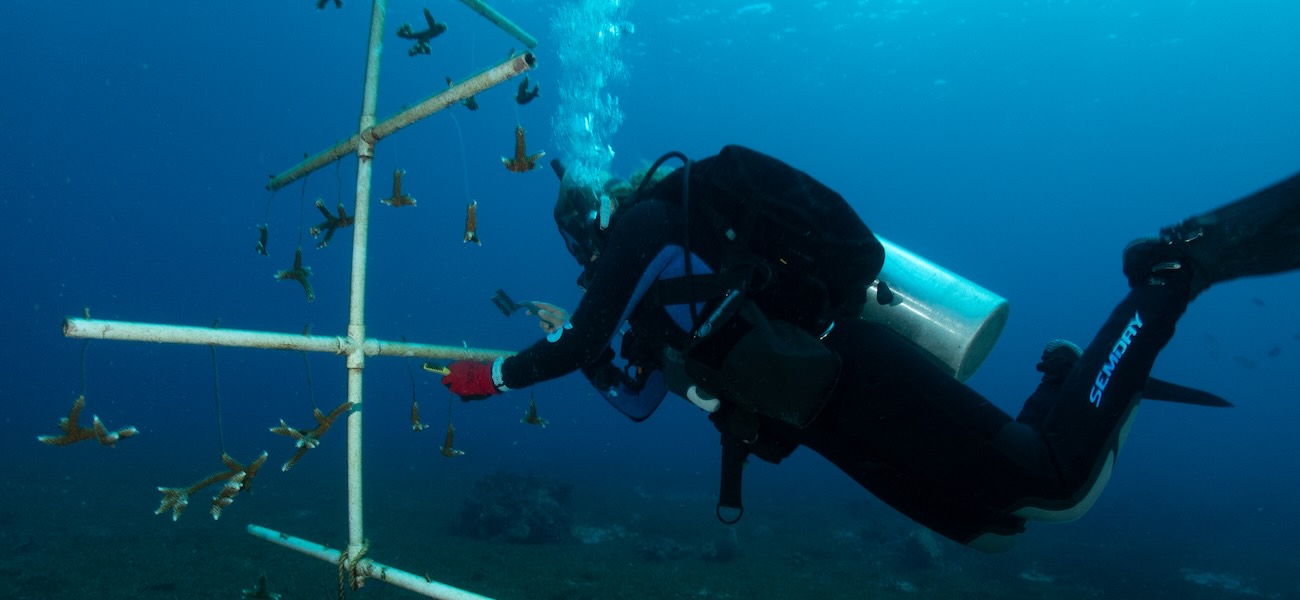
Scuba St. Lucia established coral nurseries at Anse Chastanet Reef and nearby Turtle Reef in partnership with the Reef Rescue Network and the Perry Institute for Marine Science.
Fragments of threatened coral species are carefully cultivated in the nurseries before healthy corals are outplanted onto surrounding reefs. The programme also provides opportunities for education and responsible guest participation through specialist conservation courses and marine-awareness activities.
This work forms part of our wider Reef Life and Renewal programme, which promotes greater understanding of reef ecology, marine species and the importance of protecting Saint Lucia’s underwater environment. Learn more about the coral nursery programme.
Supporting the Marine Health Alliance and Saint Lucia National Conservation Fund
Jade Mountain and Anse Chastanet support the Saint Lucia Marine Health Alliance, an initiative operating under the umbrella of the Saint Lucia National Conservation Fund.
The Alliance brings together communities, conservation organisations, tourism partners and public agencies to help protect and regenerate Saint Lucia’s coral reefs, mangroves, seagrass beds and coastal waters. It also supports locally led conservation initiatives and sustainable livelihoods connected to the marine environment.
Guests are invited to support this important work through voluntary contributions during their stay.
The resorts have also created a specially designed collection of boutique merchandise, with a portion of the proceeds donated to the Saint Lucia National Conservation Fund in support of its conservation work.Guests may learn more about the Alliance and support its work during their stay.
Guest Education and Participation
We believe that travel can deepen appreciation for the natural environment and for those working to protect it.
Guests can learn about Saint Lucia’s ecology through guided nature walks, birdwatching, reef interpretation, diving and snorkelling, marine-conservation programmes, and visits to Emerald Estate, where they can discover regenerative farming practices, cacao cultivation, beekeeping and honey production.
Depending upon the programme and season, opportunities may also include:
- Reef and underwater clean-ups
- Beach clean-ups
- Coral-conservation education
- Tree planting and other estate-based activities
- Support for local environmental initiatives
Guest feedback is welcomed as we continue to refine and improve our sustainability practices.
Measuring Our Progress
Our environmental performance is supported by engineering records, utility monitoring, accounts payable verification and sustainability reporting through the EPIT platform.
Daily utility monitoring has been formalised, monthly occupancy-adjusted reviews have been strengthened, and greater emphasis is being placed on preventive maintenance and data quality.
Sustainability is not a single programme or certification. It is reflected in how we design, purchase, operate, maintain, measure and invest—and in our continuing responsibility to the extraordinary place we call home.